




















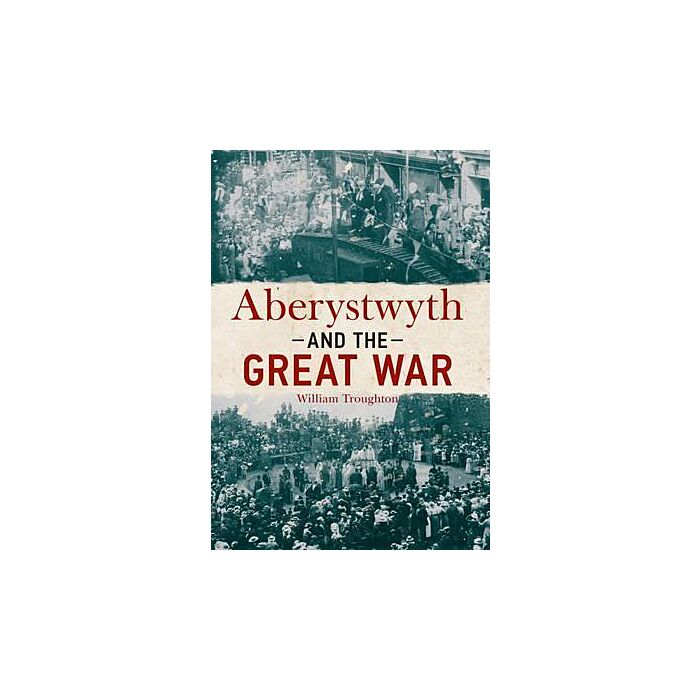
Aberystwyth and the Great War
Паперова книга
Немає в наявності

394₴

Доставка
від 0


Нова Пошта
від 0 до 69 грн
на відділення
69 грн
для замовлень від 799 грн
безкоштовно
в поштомат
55 грн
для замовлень від 599 грн
безкоштовно
Укрпошта
від 0 до 45 грн
на відділення
45 грн
для замовлень від 399 грн
безкоштовно
Meest Пошта
від 0 до 50 грн
на відділення
50 грн
для замовлень від 499 грн
безкоштовно
Оплата
Післяплата, карткою


Післяплата
на пошті при отриманні замовлення
Картою
оплата картою на сайті
| Автор | William Troughton |
|---|---|
| Видавництво | Amberley Publishing |
| Рік видання | 2015 |
| Мова | Англійська |
| Кількість сторінок | 128 |
| Обкладинка | М'яка |
| Вага | 309 |
| ISBN | 9781445642901 |
| Формат | 165x234x10мм |
| Тип | Паперова книга |
| Наявність ілюстрацій | Ні |
| Перекладна | Ні |
Анотація "Aberystwyth and the Great War", William Troughton
Basking in the summer sunshine of July 1914, the west coast of Wales seemed far away from a war on mainland Europe. However, its effects were soon felt, as within days the Territorial Army camped nearby were marched off to go to - well, no one knew quite where.
As the years dragged on, nearly every family was affected by the war. Raw recruits were billeted in the town and marched up and down the promenade, signallers practised sending messages by semaphore from the castle to Constitution Hill and the dreaded telegrams dropped onto doormats with ever increasing regularity. The town held a somewhat muted National Eisteddfod, the Theological College became a hospital, Belgian refugees appeared in the town and the professor of German left. Parcels were sent to the soldiers and sailors and letters of thanks published in the local paper. Later, a tank appeared on the promenade.
As the years dragged on, nearly every family was affected by the war. Raw recruits were billeted in the town and marched up and down the promenade, signallers practised sending messages by semaphore from the castle to Constitution Hill and the dreaded telegrams dropped onto doormats with ever increasing regularity. The town held a somewhat muted National Eisteddfod, the Theological College became a hospital, Belgian refugees appeared in the town and the professor of German left. Parcels were sent to the soldiers and sailors and letters of thanks published in the local paper. Later, a tank appeared on the promenade.
Write Your Own Review
