




















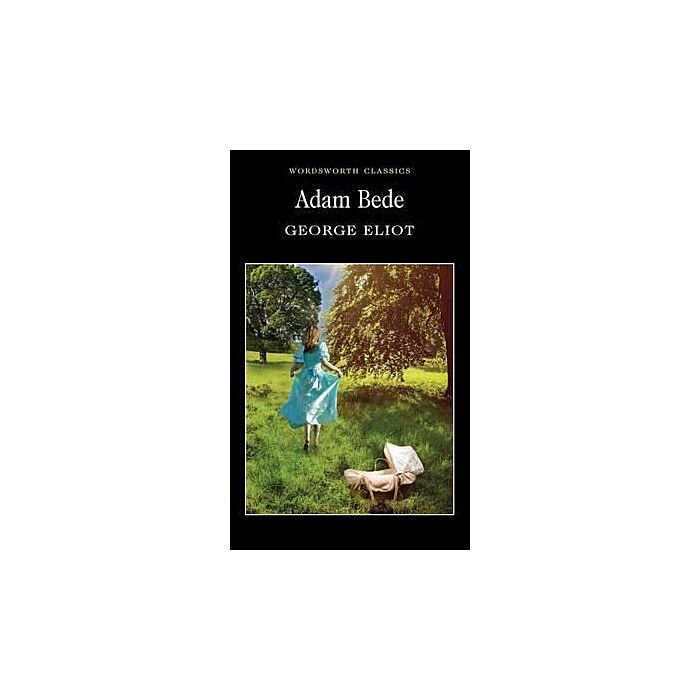
Adam Bede (Wordsworth Classics)
Паперова книга
Немає в наявності

Special Price
120₴
ціна
ЄКЛУБ
КРАЩА
ціна
Regular Price
169₴

Доставка
від 0


Нова Пошта
від 0 до 69 грн
на відділення
69 грн
для замовлень від 799 грн
безкоштовно
в поштомат
55 грн
для замовлень від 599 грн
безкоштовно
Укрпошта
від 0 до 45 грн
на відділення
45 грн
для замовлень від 399 грн
безкоштовно
Meest Пошта
від 0 до 50 грн
на відділення
50 грн
для замовлень від 499 грн
безкоштовно
Оплата
Післяплата, карткою


Післяплата
на пошті при отриманні замовлення
Картою
оплата картою на сайті
Знижка 29%, встигни!
Залишилось:
| Автор | Джордж Еліот |
|---|---|
| Видавництво | Wordsworth Editions |
| Рік видання | 2000 |
| Мова | Англійська |
| Кількість сторінок | 528 |
| Обкладинка | М'яка |
| Вага | 0.341 |
| ISBN | 9781853261923 |
| Формат | 129x198x30мм |
| Серія книг | Wordsworth Classics |
| Тип | Паперова книга |
| Наявність ілюстрацій | Ні |
| Перекладна | Ні |
Анотація "Adam Bede (Wordsworth Classics)", Джордж Еліот
'Examine your words well, and you will find that even when you have no motive to be false, it is a very hard thing to say the exact truth, even about your immediate feelings...'
Adam Bede (1859), George Eliot's first full-length novel, marked the emergence of an artist to rank with Scott and Dickens. Set in the English Midlands of farmers and village craftsmen at the turn of the eighteenth century, the book relates a story of seduction issuing in 'the inward suffering which is the worst form of Nemesis'. But it is also a rich and pioneering record - drawing on intimate knowledge and affectionate memory - of a rural world that we have lost. The movement of the narration between social realism and reflection on its own processes, the exploration of motives, and the constant authorial presence all bespeak an art that strives to connect the fictional with the actual.
Adam Bede (1859), George Eliot's first full-length novel, marked the emergence of an artist to rank with Scott and Dickens. Set in the English Midlands of farmers and village craftsmen at the turn of the eighteenth century, the book relates a story of seduction issuing in 'the inward suffering which is the worst form of Nemesis'. But it is also a rich and pioneering record - drawing on intimate knowledge and affectionate memory - of a rural world that we have lost. The movement of the narration between social realism and reflection on its own processes, the exploration of motives, and the constant authorial presence all bespeak an art that strives to connect the fictional with the actual.
Write Your Own Review
